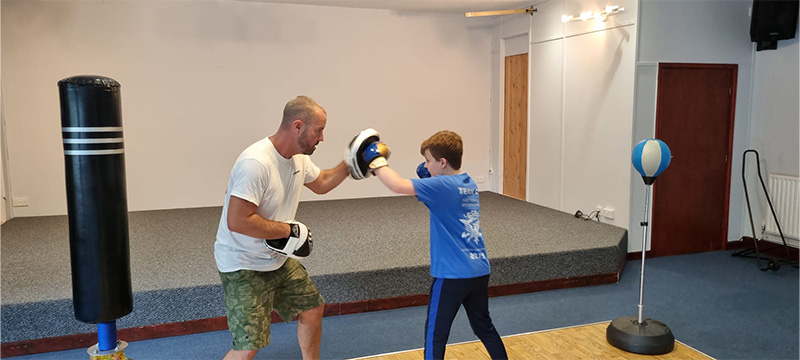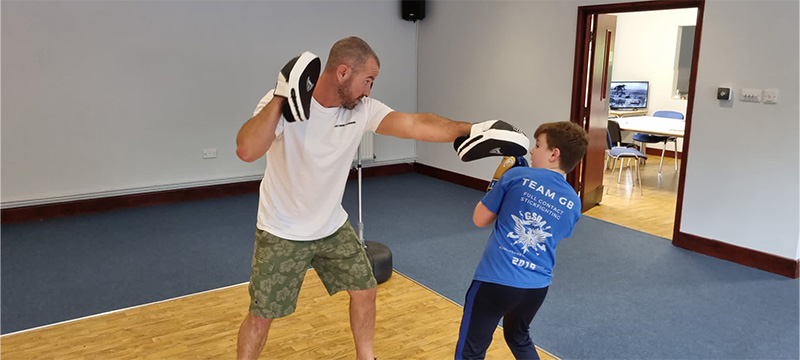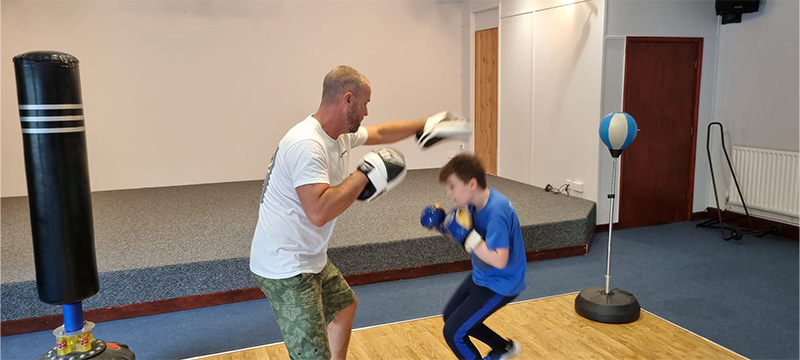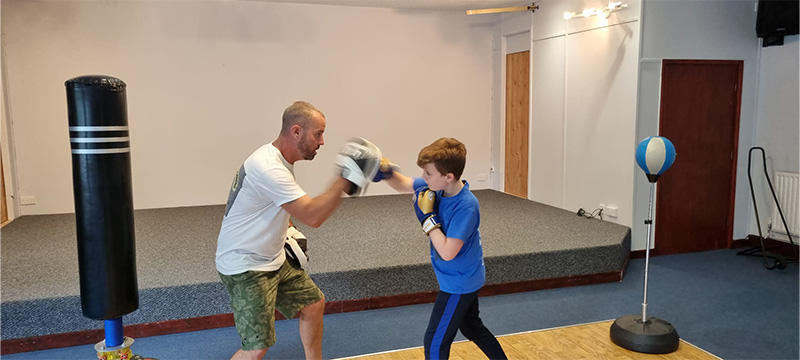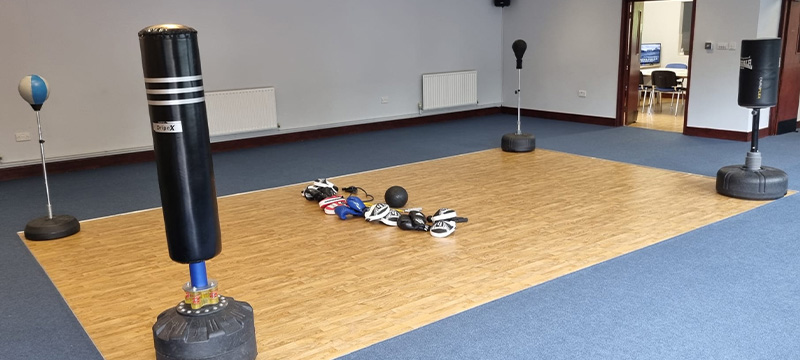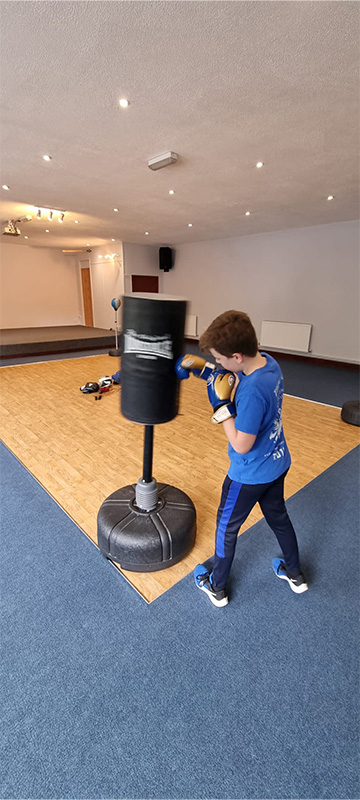


Boxing benefits our students by getting them fit, teaching them independence as well as teamwork, anger management and discipline, improving their confidence and concentration and teaching them how to self-regulate when things become stressful. All of these attributes can be taken and used within the classroom.
Self-regulation to overcome stressful situations
Accepting mistakes and learning from them
Proportional responses to surroundings
Connection before correction
Talking offers a chance to grow
Trying new activities that open up new pathways
Dr Bruce Perry M.D., PhD states, “we need patterned, repetitive, rhythmic somatosensory activity,” literally, bodily sensing exercises.
Developmental trauma happens in the body, where pre-conscious “implicit memory” was laid down in the primitive brain stem (survival brain) and viscera.
Long before we had a thinking frontal cortex or “explicit memory” function. Boxing focuses on repetitive movement, the pressure of the glove hitting a bag or mitt, remembering combinations and learning to balance to adjust the weight accordingly. When repeated all of these skills will come together to create a pathway that will eventually become cognizant knowledge.
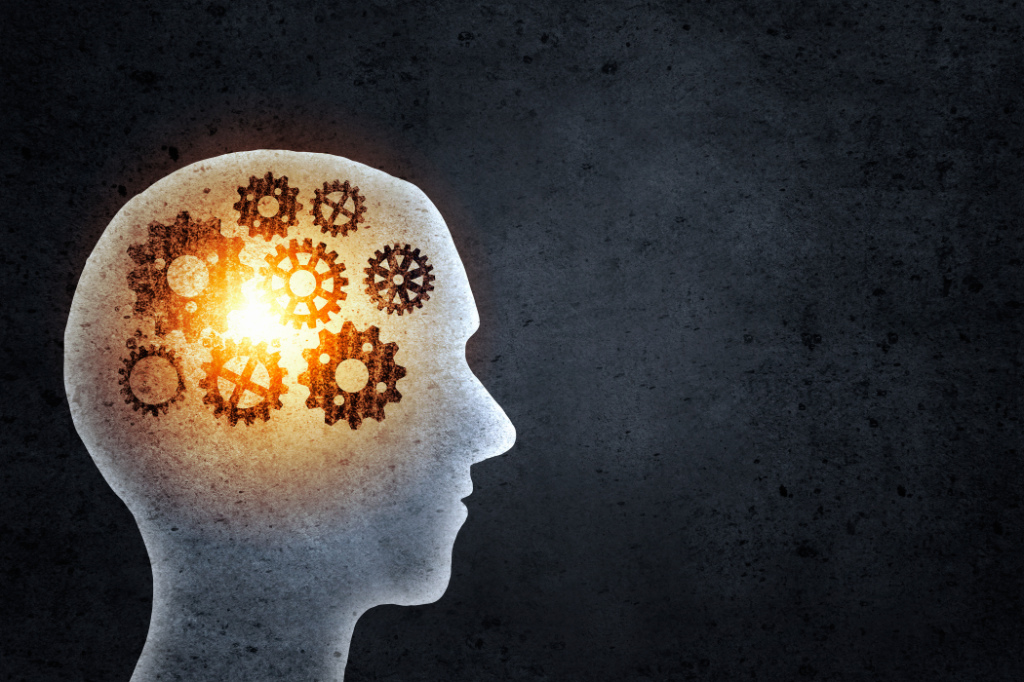
Also, activities like boxing, that fire up several brain regions (motor, Prefrontal Cortex (PFC), language, etc.) not only develop stronger neural tracts front to back – which is why it’s so good for emotional regulation– but also crucially across the area of the brain called the corpus callosum.
This trench of nerves runs along the top of the brain and links up the left and right hemispheres and is so important for children who have experienced Adverse Childhood Experiences (ACEs) as this area is hugely important for ‘joined-up thinking.
Early childhood trauma can prevent this part of the brain from developing properly, so boxing can act as a replacement experience to start to establish some of those connections (remember they’re always there lying dormant in the brain and just need using!), this then develops metacognition, increases brain size, and develops even stronger links to the Prefrontal Cortex (PFC).